What’s Really Behind Substance Use? Understanding Addiction with Compassion
Substance use rarely starts because someone is reckless, weak, or lacking willpower.
More often, it begins quietly, as a way to cope.
I meet people from all walks of life who say things like,
“I don’t even know when it became a problem – it just helped at first.”
That sentence holds an important truth.
At its core, substance use is an attempt to regulate an internal experience. It’s the nervous system searching for relief, safety, or balance, not a moral failure.
Understanding this changes everything.
Substance Use as a Coping Strategy (Not a Character Flaw)
People use substances to:
- dull emotional or physical pain
- escape overwhelm or pressure
- feel pleasure, confidence, calm, or belonging
- quiet anxiety, shame, or intrusive thoughts
- function when they feel depleted or burned out
In the beginning, the substance often works.
The brain learns:
“This helps. Do it again.”
That learning – not weakness – is what drives repeated use. Over time, what once felt like a solution slowly becomes the problem.
A helpful reframe:
Substance use is often a solution that eventually stops working.
The Hidden Roots Beneath Substance Struggles
Most people who struggle with substances are not broken, they’re overloaded.
Common underlying factors include:
- unresolved stress or trauma (big or “small t”)
- chronic emotional suppression
- a nervous system stuck in overdrive
- learned beliefs such as “I must perform to be safe” or “Rest is weakness”
Substances temporarily soothe the nervous system or boost performance. The brain is doing its job, seeking relief and regulation.
The problem is not the person.
The problem is sustainability.
Why Professional Environments Can Increase Risk
This part is often overlooked – especially for high-functioning individuals.
1. Chronic Stress Without Recovery
Many professional environments involve:
- long hours
- constant evaluation
- blurred boundaries between work and identity
- little psychological safety
The nervous system never gets a chance to downshift. Substances can become a fast, artificial recovery tool.
Connection: Stress without recovery pushes the brain to seek relief wherever it can find it.
2. Performance Over Humanity
Many workplaces reward:
- over-functioning
- emotional suppression
- perfectionism
- a “push through it” mentality
Substances may help people:
- stay sharp
- sleep on command
- network socially
- silence self-doubt
Until they don’t.
3. Identity Fusion
When self-worth becomes tied to productivity:
- failure feels existential
- rest feels dangerous
- vulnerability feels risky
Substances offer relief from constant self-monitoring and internal pressure.
4. Social Normalisation
In many professional cultures:
- alcohol equals bonding
- stimulants equal productivity
- needing help equals weakness
This makes substance use easy to hide – and harder to question – until it becomes severe.
What Happens in the Brain? (The Science Made Simple)
Understanding the brain helps remove shame.
1. Dopamine Gets Hijacked
Dopamine isn’t just pleasure, it’s motivation and learning.
Substances:
- spike dopamine far beyond natural levels
- teach the brain the substance equals survival-level importance
- reduce dopamine sensitivity over time
Result:
- everyday life feels flat
- motivation drops
- the substance feels necessary, not optional
2. The Stress System Rewires
Chronic substance use:
- activates the amygdala (fear/threat centre)
- weakens the prefrontal cortex (decision-making and impulse control)
- dysregulates cortisol (stress hormone)
This creates a cycle where the person feels:
- more anxious
- less in control
- more reactive
Ironically, the substance is now needed just to feel “normal”.
3. Memory and Emotion Become Linked
The brain forms powerful associations:
- stress → substance
- fatigue → substance
- social situations → substance
These loops can trigger cravings automatically, without conscious decision-making.
This is learning, not lack of willpower.
Where Hypnotherapy Fits In
Hypnotherapy isn’t about mind control or “positive thinking.”
It works by accessing the subconscious learning systems where addiction patterns actually live.
1. Rewiring Automatic Patterns
In hypnosis, the brain enters a state of focused, relaxed attention where:
- old associations can soften
- new coping responses can be introduced
- triggers lose emotional charge
You’re working with the brain’s learning system – not fighting it.
2. Regulating the Nervous System
Hypnotherapy activates the parasympathetic (“rest and restore”) system.
This helps:
- reduce baseline anxiety
- decrease impulsive urges
- create internal safety without substances
For professionals especially, this regulation is essential.
3. Addressing Root Beliefs
Many substance patterns are driven by beliefs like:
- “I’m only valuable if I perform”
- “I can’t slow down”
- “If I feel, I’ll fall apart”
Hypnotherapy gently updates these beliefs at the level where they were learned – often early and emotionally.
4. Restoring Choice
As emotional reactivity decreases and the prefrontal cortex regains influence, people often report:
- fewer cravings
- more space between urge and action
- a growing sense of agency
That’s not willpower.
That’s neural balance returning.
One Important Truth
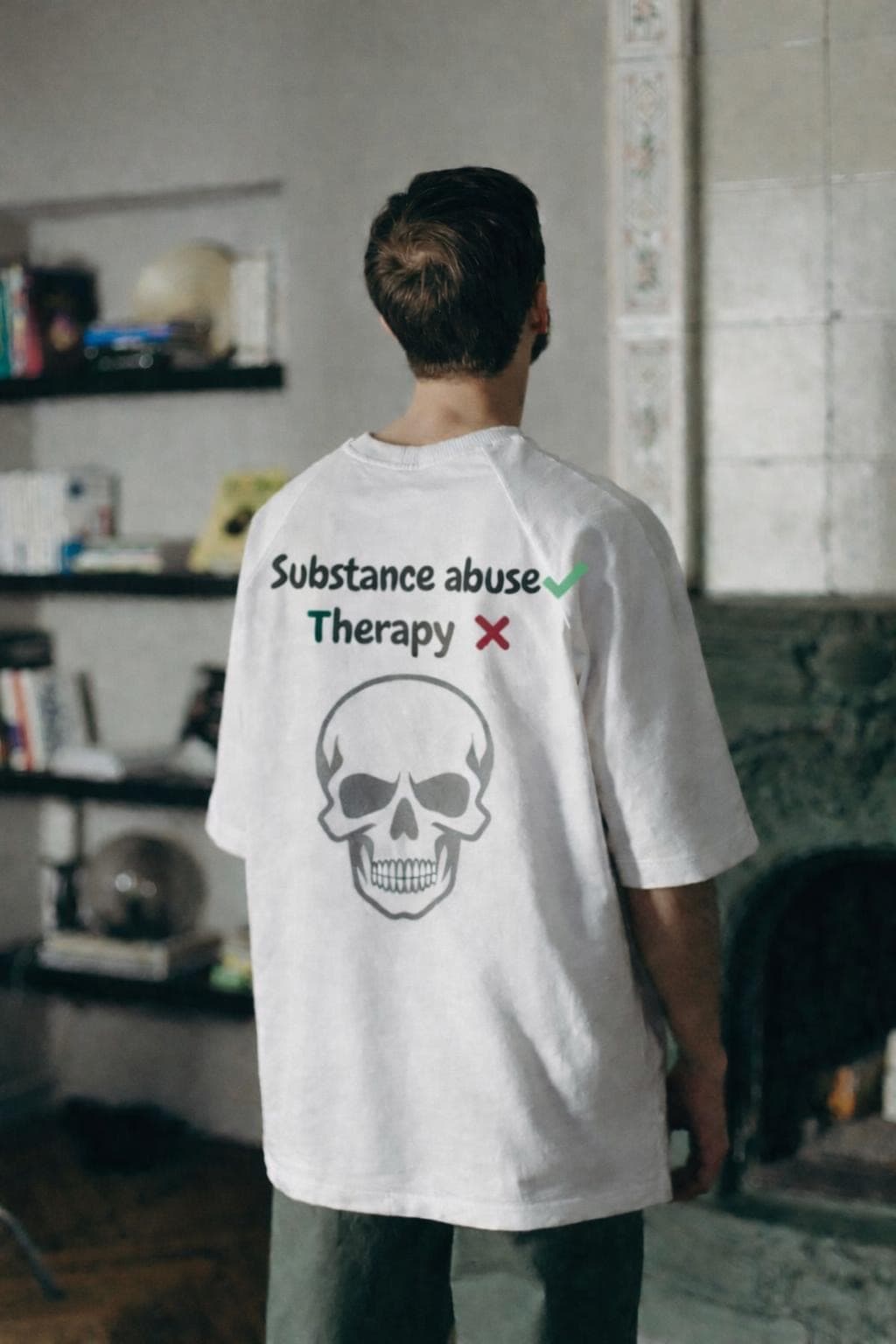
Substance abuse is not a character flaw.
It’s a nervous system doing its best in an unsustainable environment.
Healing usually requires:
- safety
- regulation
- new ways to meet old needs
- compassion instead of shame
Hypnotherapy can be a powerful part of this process — especially when combined with lifestyle change.
At Altered Mind Hypnotherapy in Nottingham, I work with people who want understanding, not judgement and change that feels supportive rather than punishing.
You don’t need to fight yourself to heal.
You need support that works with your nervous system, not against it.
📞 Call: 07542 988400
📧 Email: eniko@alteredmindhypnotherapy.com