
Overcoming the Fear of Health Problems and Illness Anxiety: When Worry About Symptoms Starts Taking Over
When Your Mind Becomes an Overprotective Alarm System
Imagine having a smoke alarm in your house that goes off every time someone makes toast.
The alarm is trying to protect you.
But instead of responding only to real danger, it starts reacting to every small signal.
Eventually, you stop feeling safe in your own home because you are constantly waiting for the next alarm.
This can feel very similar to health anxiety.
A small symptom appears.
A sensation feels unfamiliar.
You notice a change in your body.
Your mind immediately jumps to questions such as:
“What if this is serious?”
“What if the doctor missed something?”
“What if this is the beginning of something worse?”
Fear of health problems and illness anxiety can become exhausting because the concern rarely stays contained to one moment.
Instead, the mind begins scanning constantly for signs of danger.
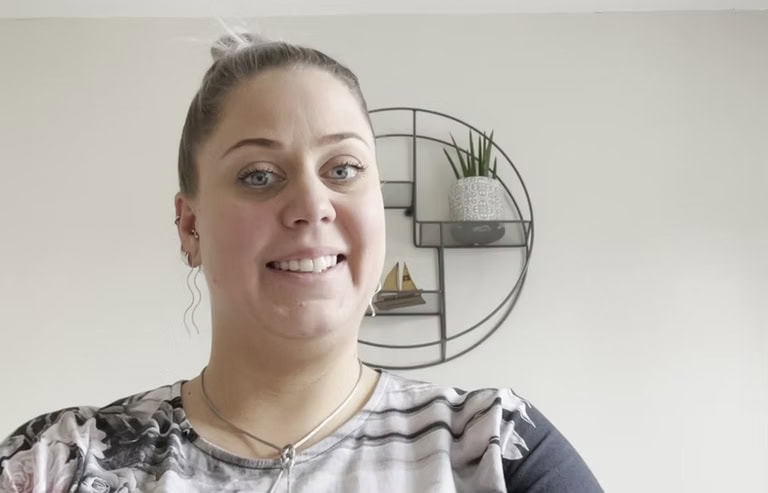
As a solution focused hypnotherapist based in Nottingham, I often speak with people who describe feeling trapped in cycles of symptom checking, overthinking, reassurance seeking, and fear of uncertainty.
The difficult part is that the fear feels very real.
But often, it is not the body creating the ongoing distress, it is the nervous system staying on high alert.
1. What Is Fear of Health Problems or Illness Anxiety?
Worrying about health from time to time is completely normal.
Our brains are designed to notice potential threats and help keep us safe.
But for some people, concerns about health can become overwhelming and persistent.
Fear of health problems or illness anxiety may involve:
- repeatedly worrying about symptoms
- fearing serious illness despite reassurance
- excessive checking of the body
- frequently searching symptoms online
- difficulty trusting medical reassurance
- worrying about future illness
- feeling constantly alert to physical sensations
This does not mean symptoms are imagined.
The experience feels genuine.
But anxiety can increase awareness of normal bodily sensations and make them feel more intense or significant.
Top Tip:
Notice whether your attention is moving towards solving a concern or repeatedly searching for certainty.
Interesting Fact:
Stress and anxiety can increase awareness of normal bodily sensations such as heart rate, muscle tension, digestion, and breathing.
2. Why Health Anxiety Feels So Convincing
Many people with illness anxiety say:
“But what if I’m the one person who misses something?”
This question keeps the cycle going.
Health anxiety often works through uncertainty.
The brain tries to eliminate all possibility of danger.
But health – like many areas of life – rarely offers complete certainty.
Common patterns include:
Hypervigilance
Constantly scanning the body for changes.
Catastrophic Thinking
Assuming small symptoms indicate serious outcomes.
Reassurance Seeking
Repeatedly asking others for confirmation.
Online Searching
Looking for certainty but finding more reasons to worry.
The more attention given to symptoms, the louder they can seem.
Top Tip:
Ask yourself: Am I gathering helpful information, or feeding fear?
Interesting Fact:
When attention becomes highly focused on the body, sensations that would normally go unnoticed can feel stronger.
3. The Hidden Cycle of Symptom Monitoring
Health anxiety often follows a repeating pattern.
A symptom appears.
↓
The mind interprets it as dangerous.
↓
Anxiety increases.
↓
Physical sensations increase.
↓
More checking and worry follow.
↓
Fear becomes stronger.
Examples may include:
- checking moles repeatedly
- monitoring heart rate
- touching areas of discomfort
- researching diseases online
- repeatedly seeking reassurance
Although these behaviours often provide temporary relief, they can unintentionally teach the brain that danger remains present.
Over time, the cycle continues.
Top Tip:
Notice whether checking actually creates long-term reassurance or simply short-term relief.
Interesting Fact:
Anxiety can activate the body’s fight-or-flight response, creating physical symptoms that may themselves become worrying.
4. When Medical Uncertainty Becomes Difficult to Tolerate
One of the hardest parts of health anxiety is learning to live with uncertainty.
Most people can tolerate not knowing some things.
But when fear increases, uncertainty can feel unbearable.
Thoughts may become:
- What if they missed something?
- What if symptoms return?
- What if I ignored something important?
- What if this gets worse?
The mind believes certainty will create calm.
But often the opposite happens.
The more certainty people seek, the more uncertainty their brain notices.
Building confidence in uncertainty can become an important part of reducing anxiety.
Top Tip:
Instead of asking “How do I become 100% certain?” try asking “How do I support myself while uncertainty exists?”
Interesting Fact:
The brain naturally prefers predictability and may interpret uncertainty as risk even when evidence is limited.
5. How Solution Focused Hypnotherapy May Support Health Anxiety
Solution Focused Hypnotherapy does not diagnose or treat physical illness.
However, some people choose to use it as a supportive approach to help manage stress, anxiety, and patterns of overthinking around health concerns.
Sessions often focus on helping clients:
- reduce overall anxiety levels
- improve emotional resilience
- develop calmer responses to uncertainty
- strengthen confidence and coping
- shift attention away from repetitive worry
- build healthier thought patterns
Hypnosis involves guided relaxation and focused attention.
For many people, this creates an opportunity to step away from constant mental scanning and experience a calmer state.
Rather than repeatedly analysing symptoms, the process encourages movement towards how clients want to feel and function.
Top Tip:
Supporting your nervous system is not the same as ignoring your health.
Interesting Fact:
Relaxation practices may help reduce activation of the body’s stress response.
6. Finding Balance Between Awareness and Fear
Looking after your health is important.
Listening to your body is important.
Seeking medical advice when needed is important.
But there is a difference between healthy awareness and constant fear.
Healthy awareness says:
“I’ll monitor this appropriately.”
Health anxiety often says:
“I need certainty before I can relax.”
Learning to trust yourself again can be an important part of moving forward.
You do not have to ignore your health.
But you also do not have to live in permanent anticipation of worst-case scenarios.
Top Tip:
Notice moments during the day when your attention naturally moves away from worry — these moments matter.
Frequently Asked Questions
| Question | Answer |
|---|---|
| Is worrying about health normal? | Yes. Occasional concern about health is a normal part of being human. |
| What is illness anxiety? | It refers to persistent worry about health and illness that can become distressing or difficult to manage. |
| Can anxiety create physical symptoms? | Stress and anxiety can influence bodily sensations and increase awareness of normal physical changes. |
| Can Solution Focused Hypnotherapy help? | Some people use it as part of managing stress, worry, and unhelpful thinking patterns around health concerns. |
| Should I ignore symptoms? | No. If symptoms are new, persistent, concerning, or worsening, seek advice from an appropriate healthcare professional. |
Learning to Feel Safe Again
Health anxiety is not a lack of logic.
It is often a nervous system trying very hard to protect you.
But when protection becomes constant, life can start to feel smaller.
Days become focused on checking.
Moments become interrupted by worry.
Enjoyment becomes replaced by “what if?”
Support is not about ignoring health.
It is about helping the mind feel safe enough to live alongside uncertainty.
At Altered Mind Hypnotherapy in Nottingham, I work with clients using Solution Focused Hypnotherapy to support stress management, reduce overthinking, strengthen emotional resilience, and help people reconnect with everyday life.
Because peace of mind does not come from eliminating every uncertainty.
It comes from learning you can cope with uncertainty without fear taking over.
📞 Call: 07542 988400
📧 Email: eniko@alteredmindhypnotherapy.com