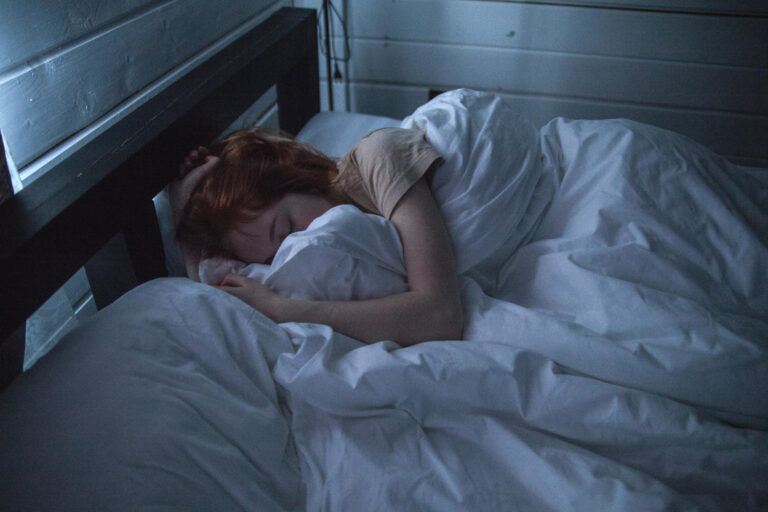

Stress, Sleep, and the Art of Letting Your Mind Rest
If sleep has started to feel like another thing you’re failing at, please know, you’re not alone.
Many people lie in bed exhausted yet wide awake, replaying the day, worrying about tomorrow, or simply feeling unable to switch off. Often, the problem isn’t sleep itself, it’s the stress your mind and body are carrying into the night.
I regularly meet clients who tell me,
“I’m tired all the time, but my mind just won’t rest.”
Stress and sleep are deeply connected. When one is out of balance, the other usually follows. The good news is that when stress is approached with kindness rather than pressure, sleep can begin to return naturally.
How Stress Disrupts Sleep (Even When You’re Exhausted)
Stress activates the body’s survival system. When your brain senses threat — deadlines, responsibilities, emotional strain, or ongoing worry, it releases cortisol to keep you alert.
This response is useful in short bursts.
At night, it’s the opposite of what you need.
Chronic stress can lead to:
- racing thoughts
- shallow breathing
- tense muscles
- difficulty falling asleep
- waking during the night
- unrefreshing sleep
Your body may be tired, but your nervous system doesn’t yet feel safe enough to fully switch off.
Gentle reminder: If your mind is busy at night, it’s not because you’re doing something wrong, it’s because your system hasn’t powered down yet.
Interesting Fact: Cortisol naturally drops in the evening. Long-term stress prevents this decline, making sleep more difficult.
How Stress Shows Up in the Body and Mind (Often Before We Realise)
Stress doesn’t just live in your thoughts, it affects your entire system. When stress becomes ongoing, the body stays in a heightened state of alert designed for survival, not rest.
Over time, this constant activation begins to show up in very real physical, emotional, and behavioural symptoms.
Physical Symptoms of Stress: When the Body Stays on High Alert
Common physical signs of stress include:
- Headaches or migraines
- Muscle pain and tension
- Twitchy eyes
- Bloating, IBS, reflux, or a churning stomach
- Rashes, hives, acne, eczema, or skin flare-ups
- Palpitations, increased heart rate or blood pressure
- Shaking
- Flu-like symptoms, dizziness, or nausea
- Missed or irregular periods
Why this happens:
When your nervous system is stuck in “fight or flight,” blood flow is redirected away from digestion, immune repair, and hormonal balance, and towards survival.
Muscles stay tight. Digestion becomes disrupted. Hormones fluctuate. Inflammation increases. Your body isn’t broken, it’s responding exactly as it was designed to under ongoing perceived threat.
Connection to sleep:
A tense, inflamed body struggles to fully relax at night, leading to light, broken, or unrestful sleep.
Gentle Tip: Progressive muscle relaxation before bed can help signal safety to the nervous system and support deeper sleep.
Cognitive and Emotional Symptoms: When the Mind Won’t Switch Off
Stress also affects how we think and feel, often showing up as:
- Forgetfulness
- Difficulty focusing
- Pessimistic thinking
- Mood changes (irritability, tearfulness, anxiety, low mood)
- Overthinking
- Indecisiveness
- Procrastination
Why this happens:
Stress shifts brain activity away from the logical, solution-focused areas of the brain and towards emotional survival centres.
This makes it harder to:
- concentrate
- make decisions
- regulate emotions
- quiet the mind at night
When external distractions fade, the subconscious mind often becomes louder — leading to racing thoughts and mental replay.
Connection to sleep:
An overstimulated mind struggles to enter the calm brain states required for sleep.
Gentle Tip: Hypnotherapy helps reduce mental noise by calming the brain’s threat response and activating relaxation networks.
Behavioural Symptoms: When Stress Starts Changing How We Live
Stress doesn’t only affect how you feel, it also influences behaviour:
- Deterioration of sleep patterns
- Appetite changes
- Neglecting responsibilities
- Nervous habits (nail biting, skin picking, restlessness)
- Increased alcohol or substance use
- Withdrawing from social interaction
- Low sex drive
Why this happens:
When stress is prolonged, the brain looks for quick relief and energy conservation. This can lead to avoidance, withdrawal, and comfort-seeking behaviours.
These responses are not personal failures, they’re coping mechanisms developed under pressure.
Connection to sleep:
Disrupted routines, stimulants, and emotional withdrawal all interfere with the body’s natural sleep–wake rhythm.
Gentle Tip: Small, supportive changes are far more effective than forcing yourself to “push through” stress.
Why Trying Harder to Sleep Often Backfires
Once sleep becomes difficult, many people start monitoring it closely:
Why am I still awake? How much sleep will I get? I’ll be exhausted tomorrow.
This pressure creates more stress, and stress keeps you awake.
Sleep isn’t something you can force. It happens when your body feels safe, relaxed, and unobserved.
In hypnotherapy, we focus on removing pressure around sleep so the nervous system can settle naturally.
Gentle Tip: Replace the goal of “sleep” with “rest.” Rest often leads to sleep without effort.
Interesting Fact: Anxiety about sleep is one of the strongest predictors of insomnia.
How Hypnotherapy Supports Stress Management and Sleep
Hypnotherapy guides you into a deeply relaxed state where your nervous system can reset.
In this state, the mind becomes calmer, less reactive, and more open to change.
Through hypnotherapy, we can:
- reduce stress responses
- release physical tension
- quiet racing thoughts
- regulate emotions
- rebuild healthy sleep associations
Many clients notice that as their stress reduces, sleep improves naturally, without effort or pressure.
Gentle Tip: Deep relaxation is a skill your mind and body can relearn at any time.
Frequently Asked Questions
| Question | Answer |
|---|---|
| Can stress really stop me sleeping? | Yes, stress keeps the nervous system alert even when you’re tired. |
| Will hypnotherapy make me sleep instantly? | It doesn’t force sleep, it supports relaxation so sleep can happen naturally. |
| What if my mind races at night? | That’s very common with stress. Hypnotherapy helps quiet mental activity over time. |
| How long before sleep improves? | Many clients notice positive changes within a few sessions. |
| Do I need medication? | Not always. Hypnotherapy can be a gentle, natural alternative, always consult your GP. |
Creating Space for Rest
Sleep isn’t a performance, and rest isn’t something you need to earn.
When stress is approached with compassion rather than pressure, your body remembers how to sleep.
At Altered Mind Hypnotherapy in Nottingham, I support clients in calming their nervous systems, managing stress gently, and reconnecting with restorative sleep.
If your nights have become another source of stress, help is available.
Your mind deserves rest.
Your body deserves ease.
You deserve support.
📞 Call: 07542 988400
📧 Email: eniko@alteredmindhypnotherapy.com